
Paradise Valley
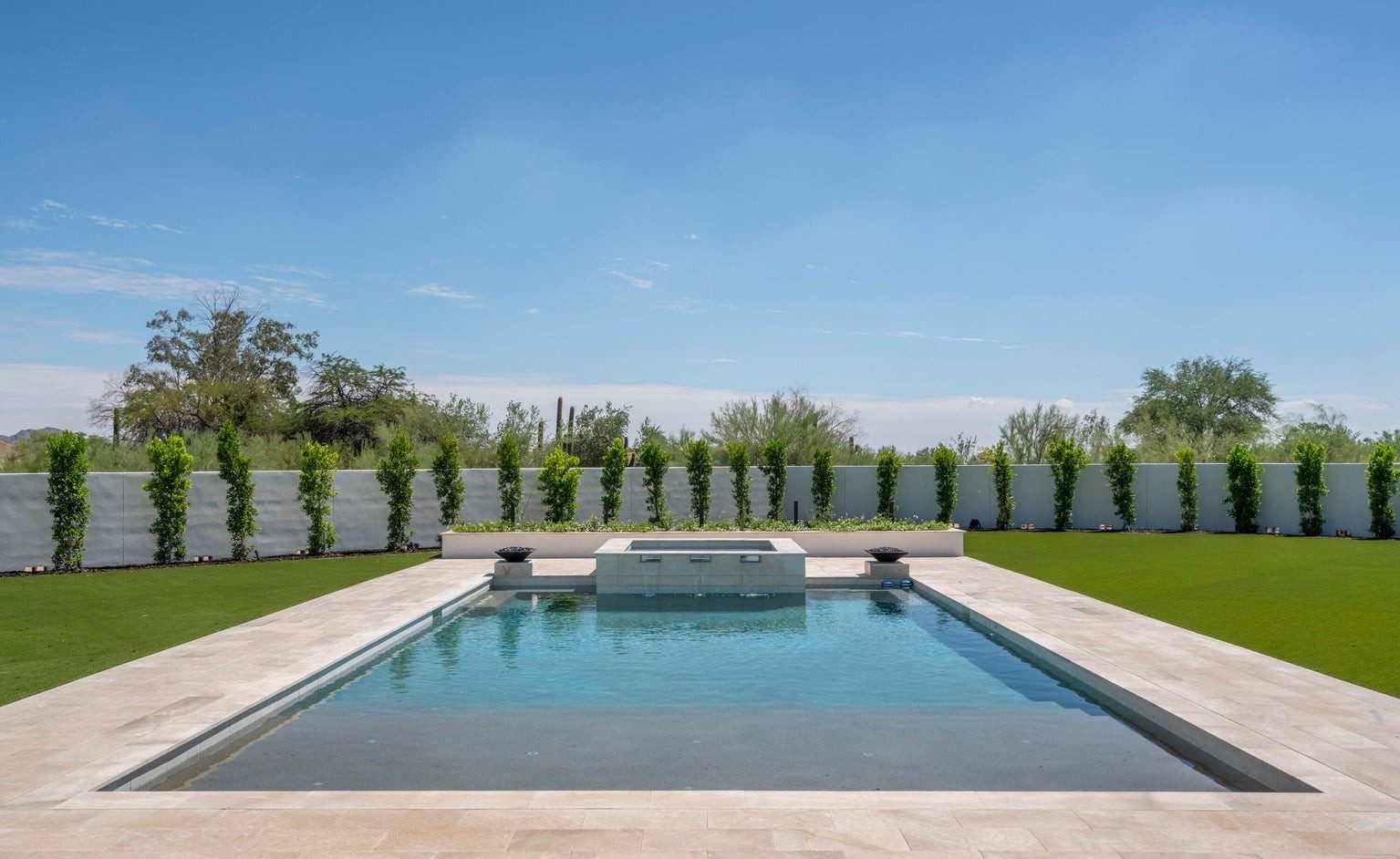
Paradise Valley is an incorporated town of roughly 16 square miles between Camelback Mountain and Mummy Mountain, zoned almost entirely for one acre minimum residential lots. It has no strip centers, no office parks and no grocery stores, the result of a deliberate decision when residents incorporated in 1961 to keep commercial development out. Buyers here are purchasing land, view corridor and privacy first, and the residence second, because a meaningful share of transactions end in a teardown and rebuild.
Where exactly is Paradise Valley?
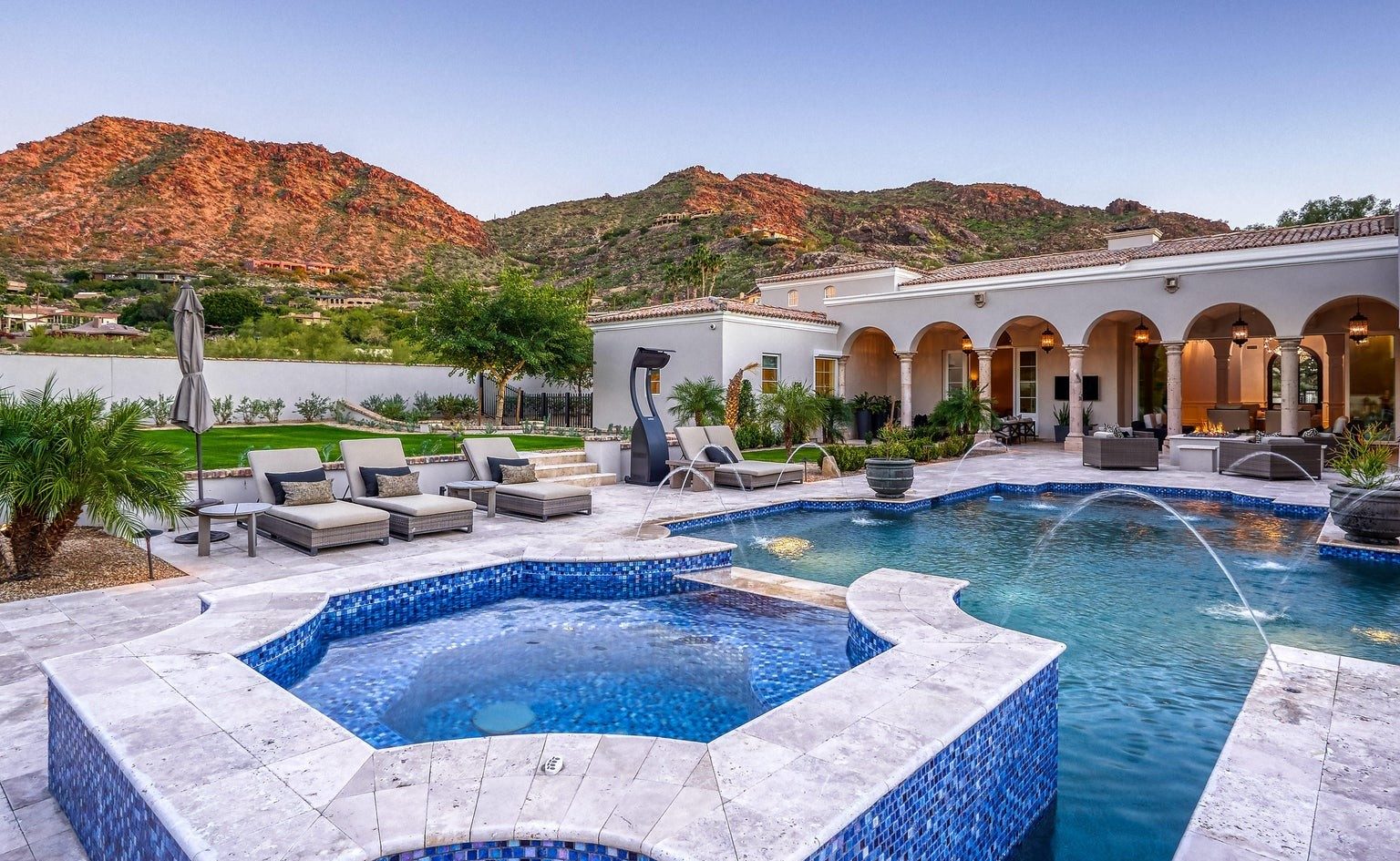
Paradise Valley sits between Phoenix to the west and Scottsdale to the east, entirely surrounded by those two larger cities. Camelback Mountain anchors its southern edge and Mummy Mountain sits near its center. Because there is no commercial frontage on most arterials, visitors routinely drive through the town without realizing they crossed a municipal line.
The primary zip code is 85253. Lincoln Drive, Tatum Boulevard, McDonald Drive and Scottsdale Road carry most of the traffic, and the interior is a network of quiet residential lanes and private drives.
Why does Paradise Valley have no shops or restaurants?
Because residents incorporated the town in 1961 specifically to prevent it. Phoenix and Scottsdale were expanding quickly and property owners wanted to protect the low density, semi rural character of the area. Zoning has stayed almost entirely one acre minimum residential ever since.
The exceptions are a small number of resort properties, including the Ritz-Carlton Paradise Valley, Sanctuary Camelback Mountain and the historic Camelback Inn. Everything else, groceries, retail, dining, is a short drive into Scottsdale or Phoenix.
For a buyer this is the central tradeoff. You get quiet, dark skies, and large parcels near the geographic center of the Valley. You do not get walkability.
What actually drives value in Paradise Valley?
Four variables move price more than square footage does.
The view corridor
A direct, unobstructed Camelback or Mummy Mountain view is the single largest premium in this market. Two parcels of identical size on the same street can differ substantially based on what a buyer sees from the primary living space. Elevation matters, and so does what is built or buildable on the parcel between yours and the mountain.
Whether the lot supports a new build
Much of the existing housing stock dates from the 1960s through the 1990s, so a significant share of transactions are effectively land sales. The buildable envelope, setbacks and whether hillside development ordinances apply carry real dollar value. A one acre parcel that supports a 10,000 square foot single level residence prices differently than a one acre parcel constrained by slope.
Privacy and approach
Interior lots on cul de sacs and private drives carry a premium over parcels fronting a through street such as Lincoln Drive or Tatum Boulevard. Mature landscaping that screens the residence from the street adds to it.
Condition against current expectations
A well maintained 1998 residence and a 2023 new build on comparable lots are not competing for the same buyer. Buyers at this level increasingly expect current systems, current glazing and indoor to outdoor flow that older floor plans do not deliver. Renovation costs here run high, which is why some buyers move straight to a rebuild.
Verify these five items before you make an offer
- The buildable envelope and setbacks for the specific parcel
- Whether hillside development ordinances apply
- The view corridor, and whether anything protects it
- Well versus municipal water service, and any shared well agreement
- The assigned school, verified with the district rather than the listing
Which schools serve Paradise Valley?
Addresses fall into portions of both the Scottsdale Unified School District and the Paradise Valley Unified School District, depending on the parcel. District boundaries do not follow town limits, which surprises buyers regularly. Verify the assignment for the specific address with the district directly rather than relying on a listing or a portal.
How does Paradise Valley compare to neighboring markets?
| Market | Typical lot | Primary draw | Tradeoff |
|---|---|---|---|
| Paradise Valley | One acre minimum | Privacy, mountain views, central location | No walkable retail or dining |
| Arcadia | Quarter to one acre | Flood irrigation, mature citrus, Camelback views | Smaller parcels, closer neighbors |
| North Scottsdale | Half acre to several acres | Golf, desert views, elevation | Longer drive to the central corridor |
| Central Scottsdale | Quarter to half acre | Walkability, liquidity, lock and leave | Less land, more density |
When is the best time to buy or sell here?
Arizona luxury activity concentrates from October through April, when seasonal residents are in the Valley. Listings launched in the fall generally see the deepest buyer pool. The first two weeks on market generate the most attention a property will ever receive and that window cannot be recreated, which is why preparation before launch matters more here than in a faster turning market.
Thinking about Paradise Valley?
Christian Corbett is a luxury real estate advisor with APEX Residential, with more than 17 years in the industry and 99 closed transactions totaling $158.8 million across the Valley. Tell him what you want out of the property and he will tell you honestly whether this is the right market for it.
Search Paradise Valley listings
The search below is connected directly to the Arizona Regional MLS and covers every active listing in Paradise Valley, not only Christian's own. Filter by price, area, bedrooms or features, and save a search to be notified when something matching comes on.
Found something worth a closer look? Send Christian the address and he will tell you what the listing does not say.
Listing search is provided through the Arizona Regional MLS via FlexMLS. Listing information is deemed reliable but is not guaranteed and should be independently verified. Interacting with the search may set cookies from the search provider, as described in the Cookie Policy.
Paradise Valley questions
Paradise Valley is consistently Arizona's highest priced residential municipality. Because pricing moves quarter to quarter and varies enormously by parcel, request a current submarket valuation rather than relying on a published average. Christian Corbett has closed 99 transactions totaling $158.8 million across Paradise Valley, Scottsdale and Phoenix, and Paradise Valley consistently sits at the top of that range.
The Town of Paradise Valley incorporated in 1961 specifically to prevent commercial and high density development. Zoning is almost entirely one acre minimum residential. The limited exceptions are a small number of resort properties, which is why residents drive into Scottsdale or Phoenix for retail and dining.
Both happen regularly. A meaningful share of Paradise Valley transactions result in a teardown, because the lot and the view corridor carry most of the value and the existing structure may be decades old. Whether to build depends on your timeline, since the town's design review and permitting process adds time that buyers from other markets often underestimate.
The primary zip code for the Town of Paradise Valley is 85253. Be careful not to confuse the town with the Paradise Valley Village area of north Phoenix, which is a separate place with different zip codes and a very different price profile.
Paradise Valley is served by portions of the Scottsdale Unified School District and the Paradise Valley Unified School District, depending on the address. Boundaries do not follow town limits, so verify the assigned school for the specific parcel with the district directly.